How Mobile Technology Is Changing Customer Experiences
Explore how smartphones, mobile payments, personalized apps, and real-time support are reshaping customer expectations.
October 26, 2026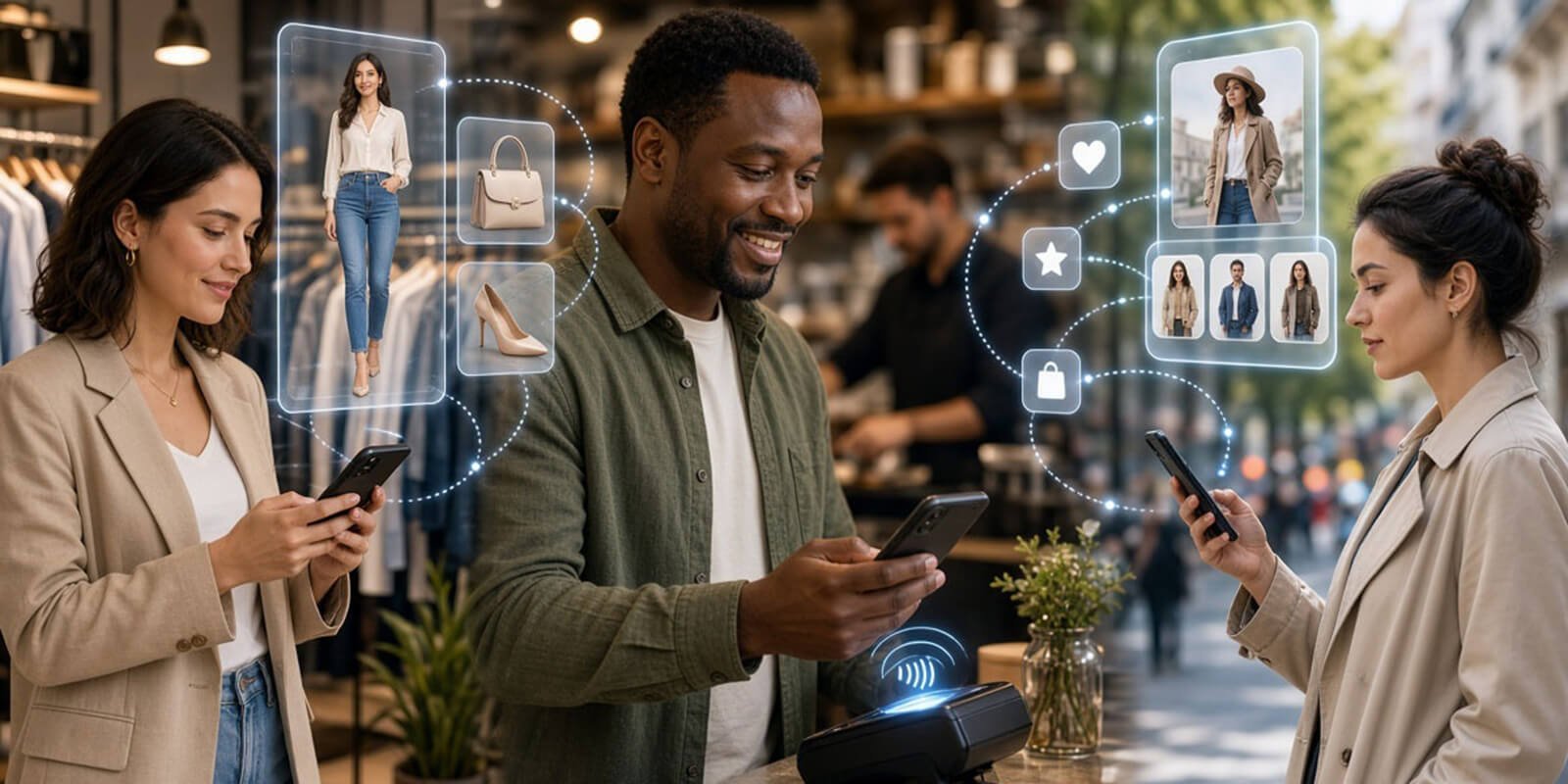
Customers increasingly move between websites, apps, messages, and physical locations during a single purchase or service journey. Mobile technology helps connect those moments. A phone can be a research tool, shopping channel, payment method, support desk, and source of timely updates—all within the same day.
Why mobile experiences have become so important
Mobile devices make digital services available in moments when a desktop computer is impractical. A customer might check stock while commuting, compare options in a store, confirm a delivery at home, or contact support between appointments. This flexibility raises expectations for convenience and consistency.
Mobile-first design is not simply shrinking a desktop site. It involves readable content, intuitive navigation, accessible controls, sensible permissions, and performance that remains usable on slower connections.
Six ways mobile technology changes the customer journey
1. Shopping and service are available on demand
Mobile websites and apps allow people to browse, book, order, and manage accounts from many locations. Simplified menus and forms help turn that access into a practical advantage.
2. Payments can be faster and easier
Digital wallets, contactless payments, and saved payment options can reduce repetitive checkout steps. Payment flows still need clear confirmations, security measures, and alternatives for customers who prefer other methods.
3. Updates reach customers in real time
Order confirmations, travel changes, delivery notifications, and appointment reminders can provide useful information when it matters. Customers should be able to choose which alerts they receive, and businesses should avoid overwhelming them with messages.
4. Support can move across channels
A customer may begin with a help article, continue in live chat, and then speak to an agent. A well-connected service experience preserves relevant context, with appropriate privacy safeguards, so customers do not need to repeat the same information.
5. Experiences can become more relevant
With permission and responsible data use, businesses can tailor recommendations, remember preferences, or present location-relevant information. Personalization should be helpful and transparent rather than intrusive.
6. In-store and online journeys can connect
QR codes, mobile loyalty programs, digital receipts, and in-app order tracking can bridge physical and digital interactions. Customers benefit most when the transition is simple and does not force them to use an app unnecessarily.
Examples across different industries
- Retail: Mobile product discovery, stock checks, loyalty rewards, and flexible checkout.
- Hospitality: Digital booking details, mobile check-in options, and service messages.
- Banking: Account information, transaction alerts, and secure self-service features.
- Healthcare services: Appointment booking, reminders, and access to permitted records or communications.
- Transport and delivery: Journey updates, tracking, and mobile proof of delivery.
What businesses should prioritize
Start with the most common mobile customer tasks. Make important actions visible, keep forms short, and test navigation with actual users. Design for accessibility by supporting readable text, clear labels, sufficient contrast, and controls that work with assistive technology.
Treat privacy and security as part of user experience. Explain permissions, protect personal information, provide easy account controls, and avoid collecting data without a clear purpose. Monitor crashes, load time, task completion, support complaints, and satisfaction to understand whether changes are helping.
Conclusion
Mobile technology is changing customer experiences by making interactions more immediate, connected, and flexible. Businesses that combine convenience with accessibility, reliability, and respect for customer choice are better positioned to deliver useful mobile journeys.