Why Financial Education Should Be Taught Early
Early financial education can help young people make thoughtful everyday money decisions.
October 28, 2026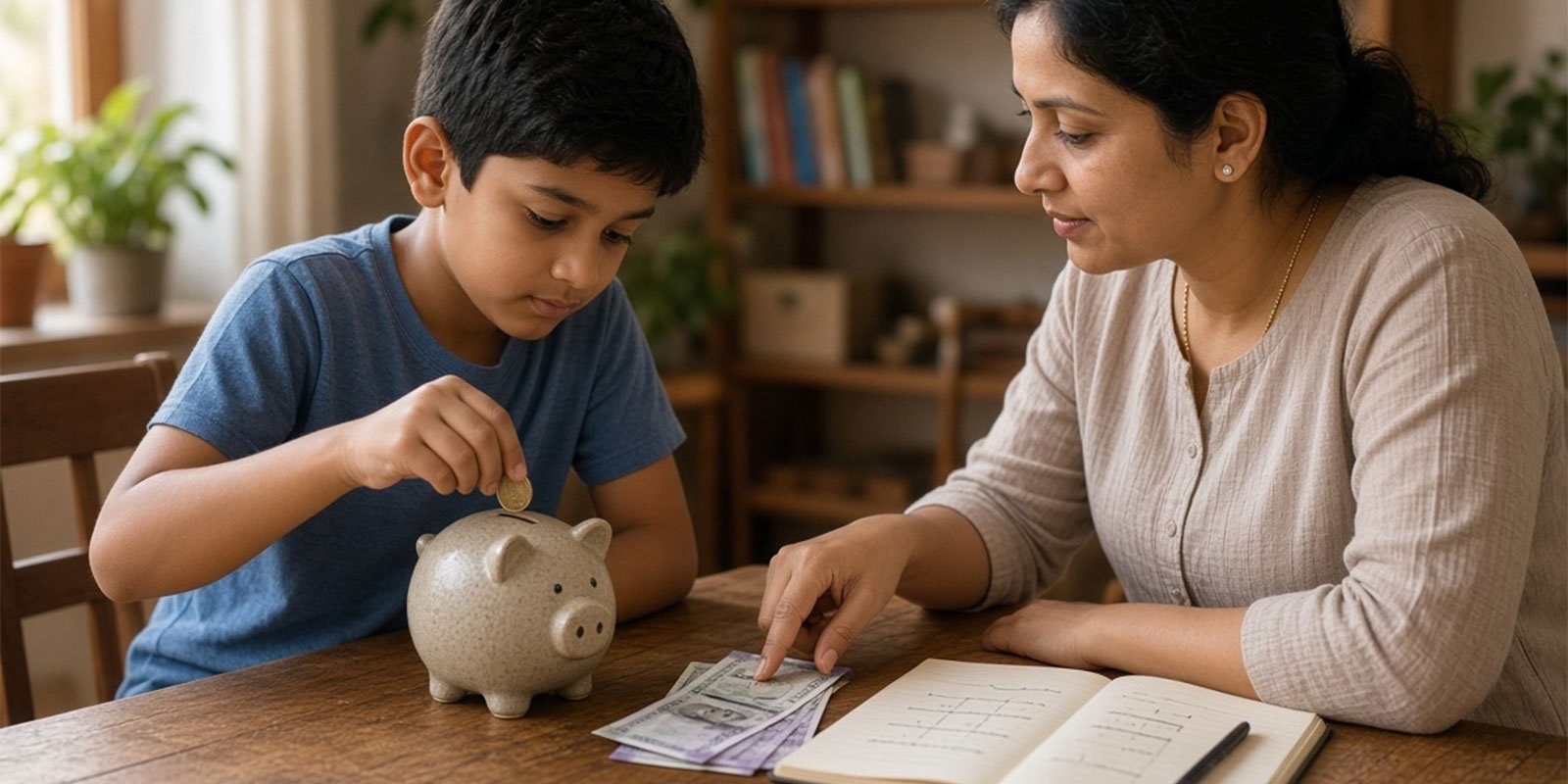
Early financial education can help young people make thoughtful everyday money decisions. Education works best when learners understand their goals, receive useful feedback, and have opportunities to apply what they know.
Why this topic matters
Early financial education can help young people make thoughtful everyday money decisions. The goal is not to adopt every new method, but to choose practical approaches that improve understanding, confidence, and participation.
Budgeting and needs versus wants
Practice planning a simple budget and distinguishing essential expenses from optional purchases.
A good starting point is to set a clear learning objective, try one practical activity, and check whether it helps students explain or apply the idea independently.
Saving and financial safety
Explain saving goals, interest, borrowing costs, scams, and secure digital payments at an age-appropriate level.
Teachers and families can support this process with realistic expectations, constructive feedback, and time for reflection. Different students may need different levels of guidance.
Practical steps to get started
Use realistic examples rather than promoting specific financial products.
Set a specific goal, identify the resources available, and begin with a manageable change. After a week or two, ask what worked, what was difficult, and what should be adjusted.
Common challenges to consider
Time, access to resources, confidence, and individual learning needs can affect results. Avoid assuming one method works equally well for everyone. Make instructions clear, provide alternatives when possible, and check progress using actual work rather than impressions alone.
Conclusion
Early financial education can help young people make thoughtful everyday money decisions. Sustainable improvement comes from small, purposeful actions, regular practice, and a willingness to adapt based on evidence.